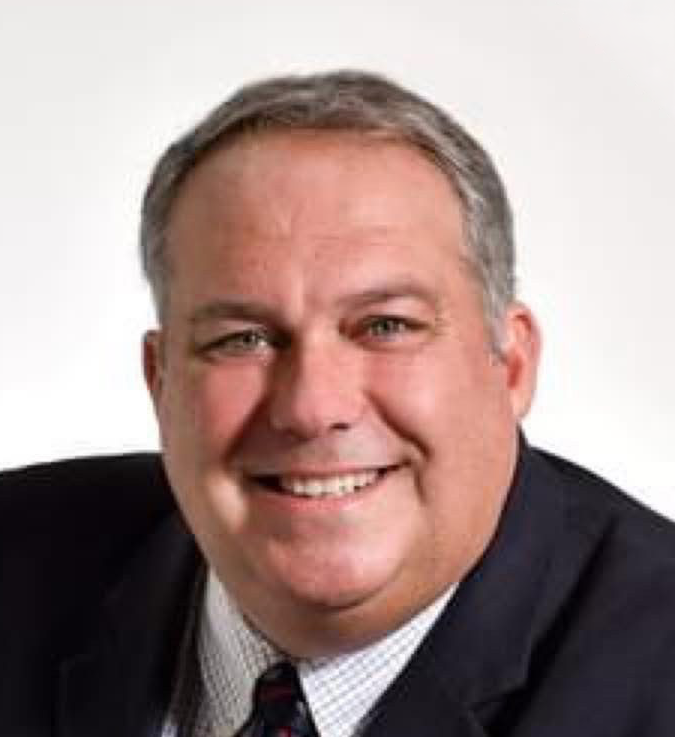
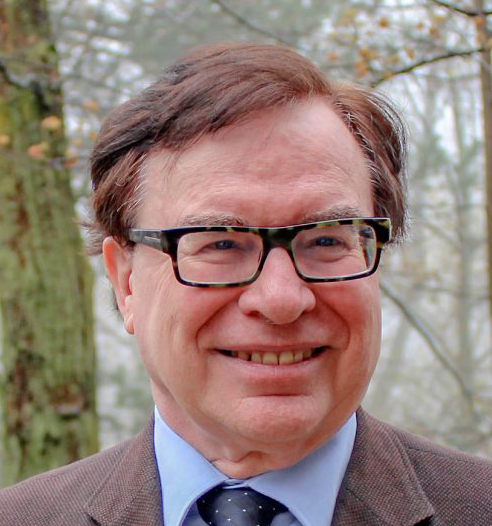
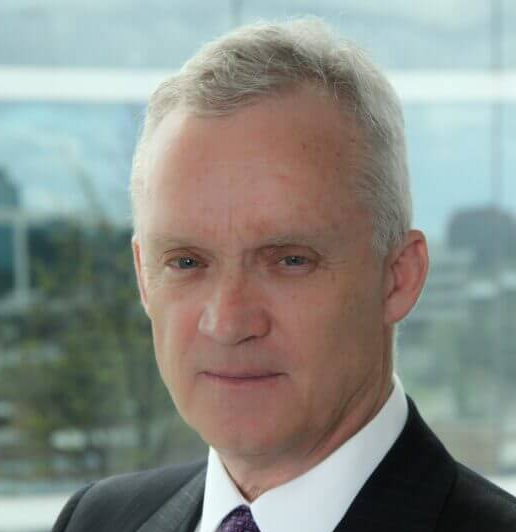
On June 9, 2021, the Policy Insights Forum (PIF) was pleased to welcome Col Viktor Siromakha, Attaché of the Embassy of Ukraine to Canada, to discuss the ongoing military situation within Ukraine's borders and the broader indications of Russia's aggressive posture. The event was moderated by PIF Vice-Chair Dr. J. Paul de B. Taillon.
To begin the discussion, Col Siromakha opened the conversation with a detailed tactical and operational overview of Russia’s massive spring military buildup. Russia had doubled its troop presence at the border to over 106,000 personnel, involving 50 battalion tactical groups, 35,000 armoured vehicles, and Caspian Flotilla vessel relocations. He stressed that this was all a part of a broader, grand scheme rather than only focusing on its own domestic affairs. He highlighted that Russian officials announced a partial withdrawal in late April. Intelligence indicated only minimal troop movements away from the border, with heavy equipment, command elements, and field camps intentionally left in place.
The conversation then began to focus on the strategic motivations behind Russia’s posture and its expanding use of access denial (A2/AD) techniques. Col Siromakha addressed Russia’s six-month closure of the Kerch Strait to non-Russian naval vessels, militarization of the Crimean peninsula into a fortress, and its joint air presence in Belarus as major threats to regional stability. In addition, he spoke about how Russian forces have used advanced electronic warfare, laser-blinding systems against observers, and private military companies like the Wagner Group as part of Gerasimov’s mixed warfare doctrine.
The discussion then moved towards the necessary role of international support and Canada’s contributions to Ukrainian defence capabilities. Col Siromakha expressed deep gratitude to Operation UNIFIER. Together, Canada was able to train over 25,000 Ukrainian troops with critical intelligence and diplomatic support from FIVE EYES (FVEY) and NATO allies. He focused on Ukraine’s ultimate day-to-day priority: securing a NATO Membership Action Plan (MAP), improving coordination, and obtaining defensive weaponry and real-time intelligence to counter Russian aggression permanently in the Black Sea and the Sea of Azov.
In conclusion, Col. Siromakha finishes off the conversation by quoting U.S. diplomat George Kennan’s 1946 “Long Telegram,” emphasizing that Russian power retreats when it faces strong resistance. He ended by saying that “a resilient, well-equipped Ukraine serves as a necessary shield for the front line of the democratic world, and that long-term unity among Western allies remains the single most important and effective barrier against further escalation.”